

What is the path of God?
- Carlos Alfredo

- Sep 24, 2025
- 4 min read
Updated: Sep 29, 2025
If you are interested in learning what you should and should not do to stay on the path of the Lord, this reading is for you. It is important to understand what it means to walk on God's path, as Jesus mentions in Matthew 7:14: "For narrow is the gate and difficult the road that leads to life, and only a few find it."
I have been reading the "Forbidden Books of the New Testament" translated by Archbishop William Wake, and in the General Epistle of Barnabas, I found a detailed description of the path of light, that narrow and difficult path that Jesus spoke of.
This eBook is available to anyone, anywhere, free of charge and with virtually no restrictions. You may copy it, give it away, or reuse it under the terms of the Project Gutenberg License included with this eBook or online at www.gutenberg.org.
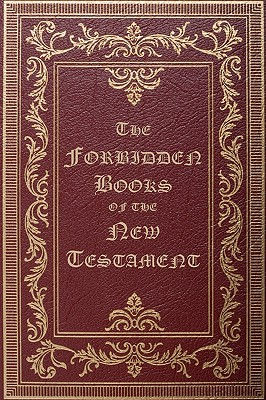
The General Epistle of Barnabas traduced by Archbishop Wake Chapter XIV
Verses 5-25 5 Now the way of light is this: If any one desires to attain to the place that is appointed for him, and will hasten thither by his works. And the knowledge that has been given to us for walking in it, to this effect: Thou shalt love him that made thee: thou shalt glorify him that hath redeemed thee from death.
6 Thou shalt be simple in heart, and rich in the spirit. Thou shalt not cleave to those that walk in the way of death. Thou shalt hate to do anything that is not pleasing unto God. Thou shalt abhor all dissimulation. Thou shalt not neglect any of the commands of the Lord.
7 Thou shalt not exalt thyself, but shalt be humble. Then shalt not take honour to thyself. Thou shalt not enter into any wicked counsel against thy neighbour. Thou shalt not be over confident in thy heart.
8 Thou shaft not commit fornication, nor adultery. Neither shalt thou corrupt thyself with mankind. Thou shalt not make use of the word of God, to any impurity,
9 Thou shalt not except any man's person, when thou reprovest any one's faults. Thou shalt be gentle. Thou shalt be quiet. Thou shalt tremble at the words which thou hast heard. Thou shalt not keep any hatred in thy heart against thy brother. Thou shalt not entertain any doubt whether it shall be or not.
10 Thou shalt not take the name of the Lord in vain. Thou shalt love thy neighbour above thy own soul,
11 Thou shalt not destroy thy conceptions, before they are brought forth; nor kill them after they are born.
12 Thou shalt not withdraw thy hand from thy son, or from thy daughter; but shall teach them from their youth the fear of theLord.
13 Thou shalt not covet thy neighbour's goods; neither shalt thou be an extortioner. Neither shall thy heart be joined to proud men; but thou shalt be numbered among the righteous and the lowly. Whatever events shall happen unto thee, thou shalt receive them as good.
14 Thou shalt not be double-minded or double-tongued; for a double tongue is the snare of death. Thou shalt be subject unto the Lord and to inferior masters as to the representatives of God, in fear and reverence.
15 Thou shalt not be bitter in thy commands towards any of thy servants that trust in God; lest thou chance not to fear him whois over both; because he came not to call any with respect of persons, but whomsoever the spirit had prepared.
16 Thou shalt communicate to thy neighbour of all thou hast; thou shalt not call anything thine own: for if ye partake of such things as are incorruptible, how much more should you do it in those that are corruptible?
17 Thou shalt not be forward to speak; for the mouth is the snare of death. Strive for thy soul with all thy might. Reach not out thine hand to receive, and with hold it not when thou shouldest give.
18 Thou shalt love, as the apple of thine eye, everyone that speaketh unto thee the Word of the Lord. Call to thy remembrance, day and night, the future judgment.
19 Thou shalt seek out everyday, the persons of the righteous; and both consider and go about to exhort others by the word, and meditate how thou mayest save a soul.
20 Thou shaft also labour with thy hands to give to the poor, that thy sins may be forgiven thee, Thou shalt not deliberate whether thou shouldst give; nor having given, murmur at it.
21 Give to everyone that asks so shalt thou know who is the good rewarder of thy gifts.
22 Keep what thou hast received; thou shalt neither add to it nor take from it.
23 Let the wicked be always thy aversion. Thou shalt judge with righteous judgment. Thou shalt never cause divisions; but shalt make peace between those that are at variance, and bring them together.
24 Thou shalt confess thy sins; and not come to thy prayer with an evil conscience.
25 This is the way of light.
REFERENCES TO THE GENERAL EPISTLE OF BARNABAS.
[Barnabas was a companion and fellow-preacher with Paul. This Epistlelays a greater claim to canonical authority than most others. It has beencited by Clemens, Alexandrinus, Origen, Eusebius, and Jerome, and manyancient Fathers. Cotelerius affirms that Origen and Jerome esteemed itgenuine and canonical; but Cotelerius himself did not believe it to beeither one or the other; on the contrary, he supposes it was written forthe benefit of the Ebionites, (the christianized Jews,) who weretenacious of rites and ceremonies. Bishop Fell feared to own expresslywhat he seemed to be persuaded of, that it ought to be treated with thesame respect as several of the books of the present canon. Dr. Bernard,Savilian professor at Oxford, not only believed it to be genuine, butthat it was read throughout in the churches of Alexandria, as thecanonical Scriptures were. Dodwell supposed it to have been publishedbefore the Epistle of Jude, and the writings of both the Johns. Vossius,Dupuis, Dr. Cane, Dr. Mill, Dr, S. Clark, Whitson, and Archbishop Wakealso esteemed it genuine: Menardus, Archbishop Land, Spanheim, and othersdeemed it apocryphal.]

Comments